
Transmission lines
Transmission lines are cables that carry electricity from energy generators to the distribution network, which delivers it to homes and businesses. Transmission lines come in different types and capacities to serve different needs. Transmission line capacity is measured in kilovolts (kV).
550 kV transmission lines
One or more 500 kV double circuit lines form the backbone of our grid. Each of these requires an easement of at least 70 metres wide. This is the highest voltage used on the NSW network and has the advantage of reducing the number of circuits and lines required, which minimises the land required for easements.
An easement is a legal right to access and use land. If we acquire an easement on part of your land, you will remain the owner of the land.
330 kV transmission lines
Transmission lines which connect to renewable energy generation projects (i.e. solar, wind and storage projects) will generally be 330 kV lines and either single or double circuit. These have a minimum easement width of 60 metres for each line. The number of circuits and lines needed for a generation project may be different depending on its size.
Towers
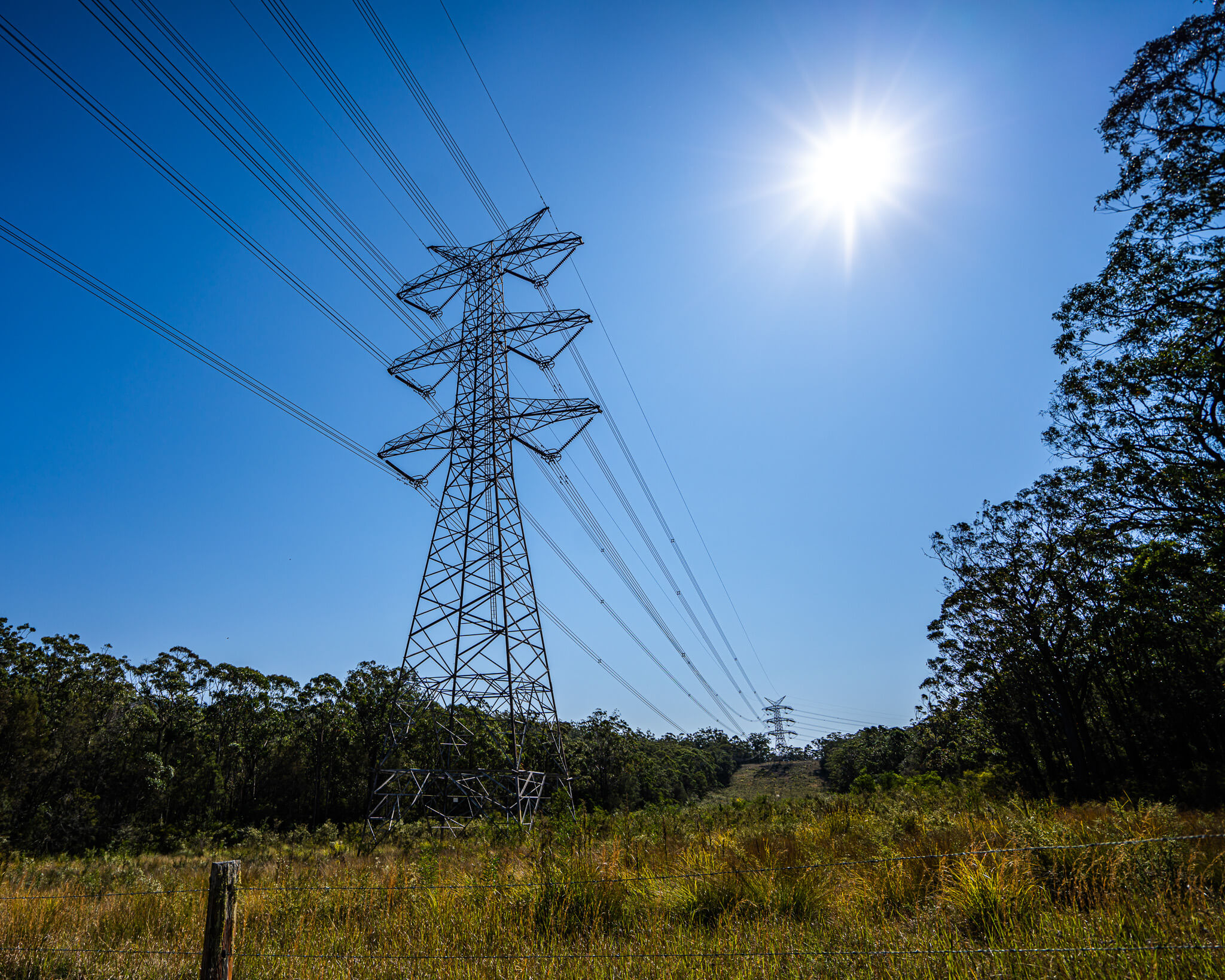
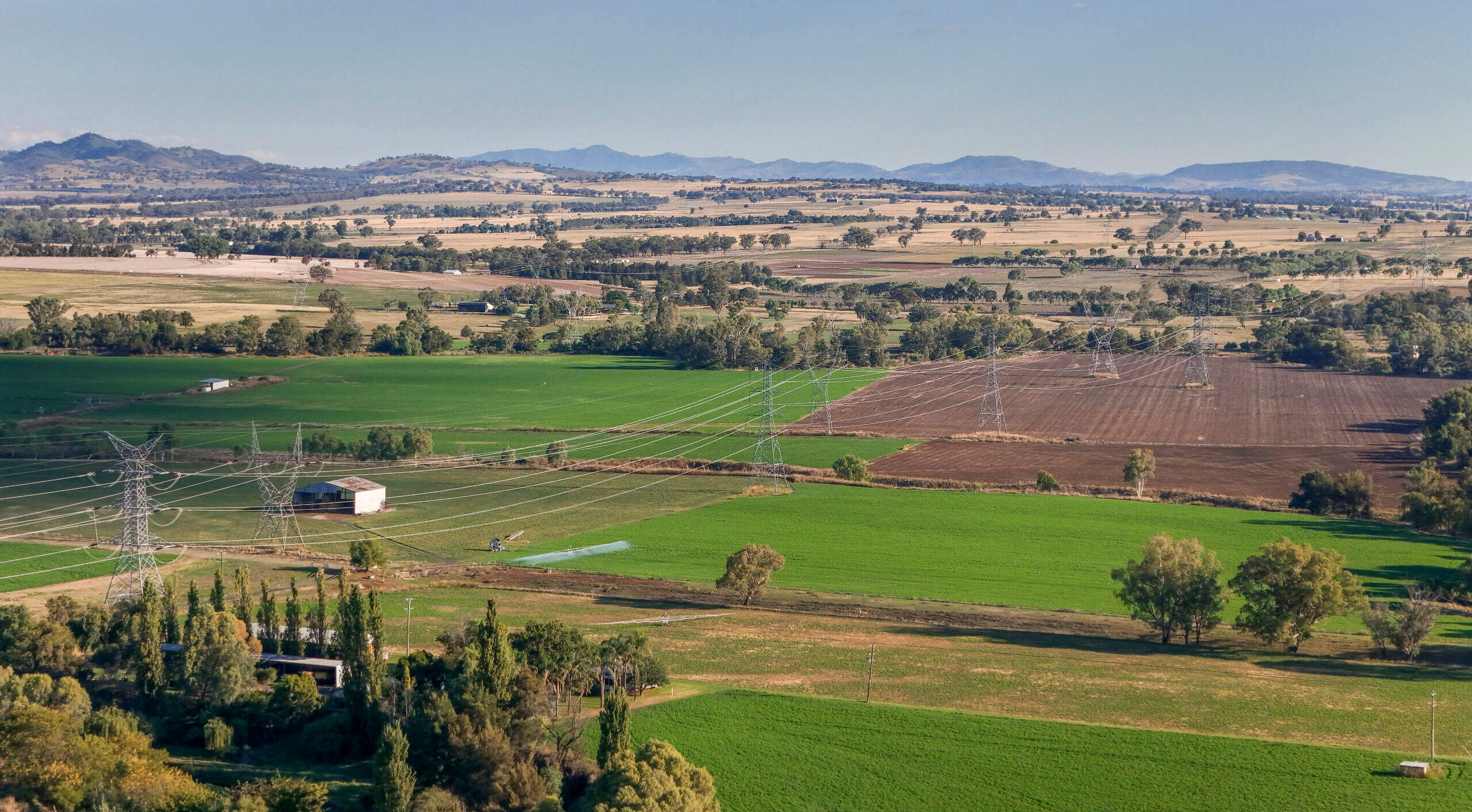
Overhead lines in transmission easements will normally be supported by steel lattice towers which are between 45 and 70 metres high. The towers are generally spaced around 400 to 600 metres apart depending on the local geography and other factors.
Images: Transmission towers and lines
Click below gallery images to see towers from different distances.


Substations and switching stations
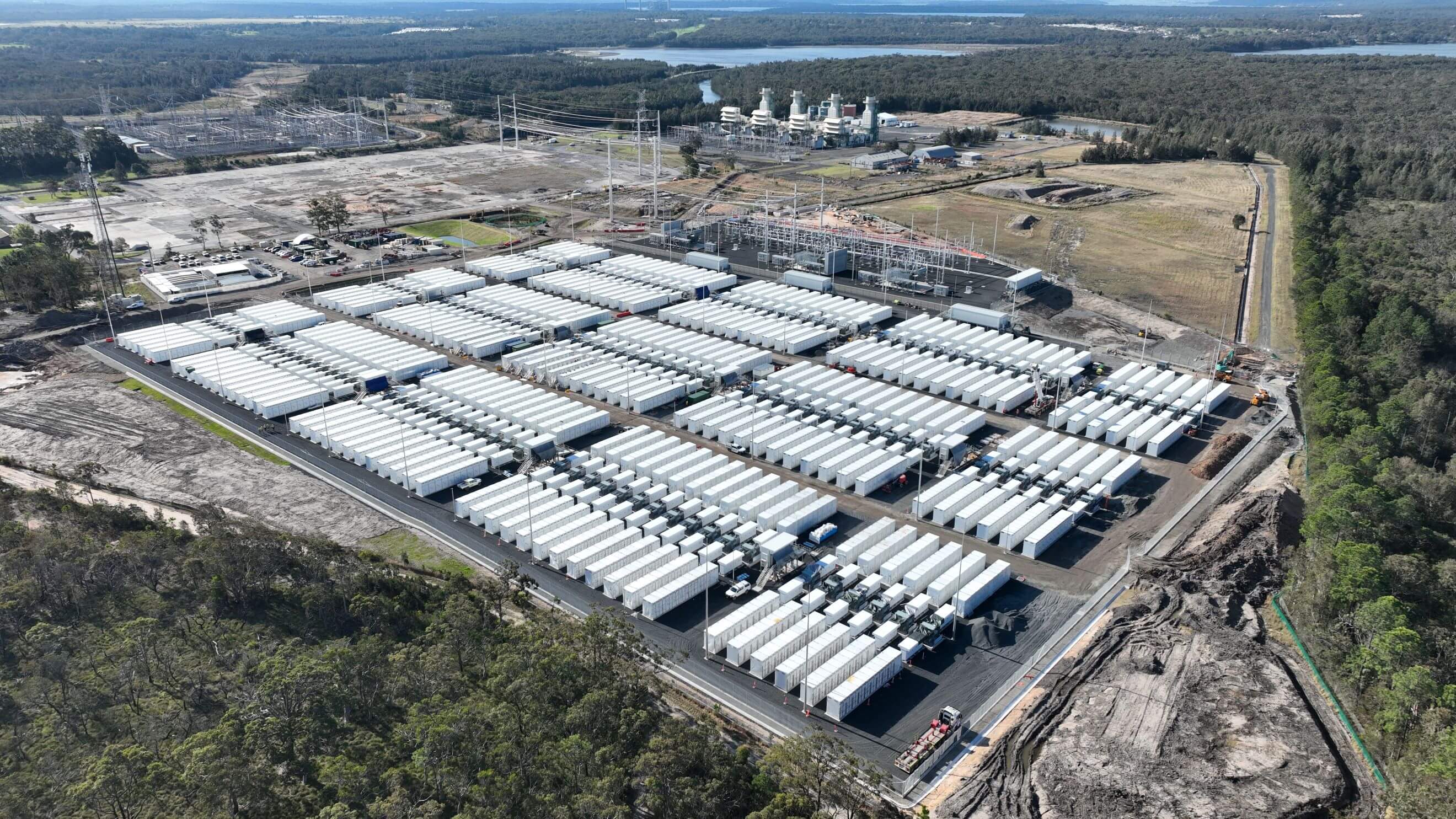
Substations and switching stations are facilities where electricity is converted from one voltage level to another, making it suitable for safe and efficient transmission and distribution to homes and businesses.
Both types of facilities include electrical equipment, safety features and control systems.
Substations and switching stations:
- combine energy from multiple generation and storage projects
- help control the flow and voltage of electricity on the grid
- provide control and safety features for the grid by isolating problems when they occur.
Image: 330 kV substation


Distribution networks
Distribution networks deliver electricity to homes and businesses.
The major components of a distribution network include:
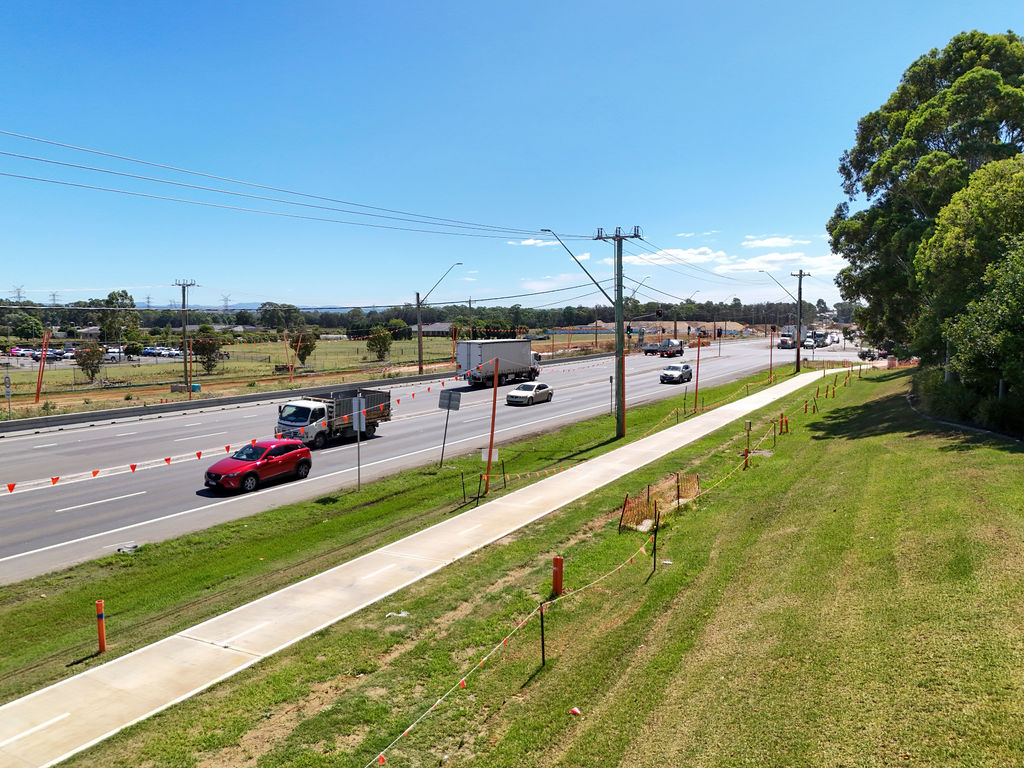
- distribution lines (132 kV and below), which carry electricity to the areas where it is used
- medium-voltage feeders (typically 11 kV to 33 kV), which carry electricity over longer distances than other distribution lines
- lines that supply a home or business (typically 415 volts for three-phase or 240 volts for single-phase).
- zone substations which convert high voltage electricity from the transmission network to lower voltages.
Image: Distribution poles and wires
Energy hubs
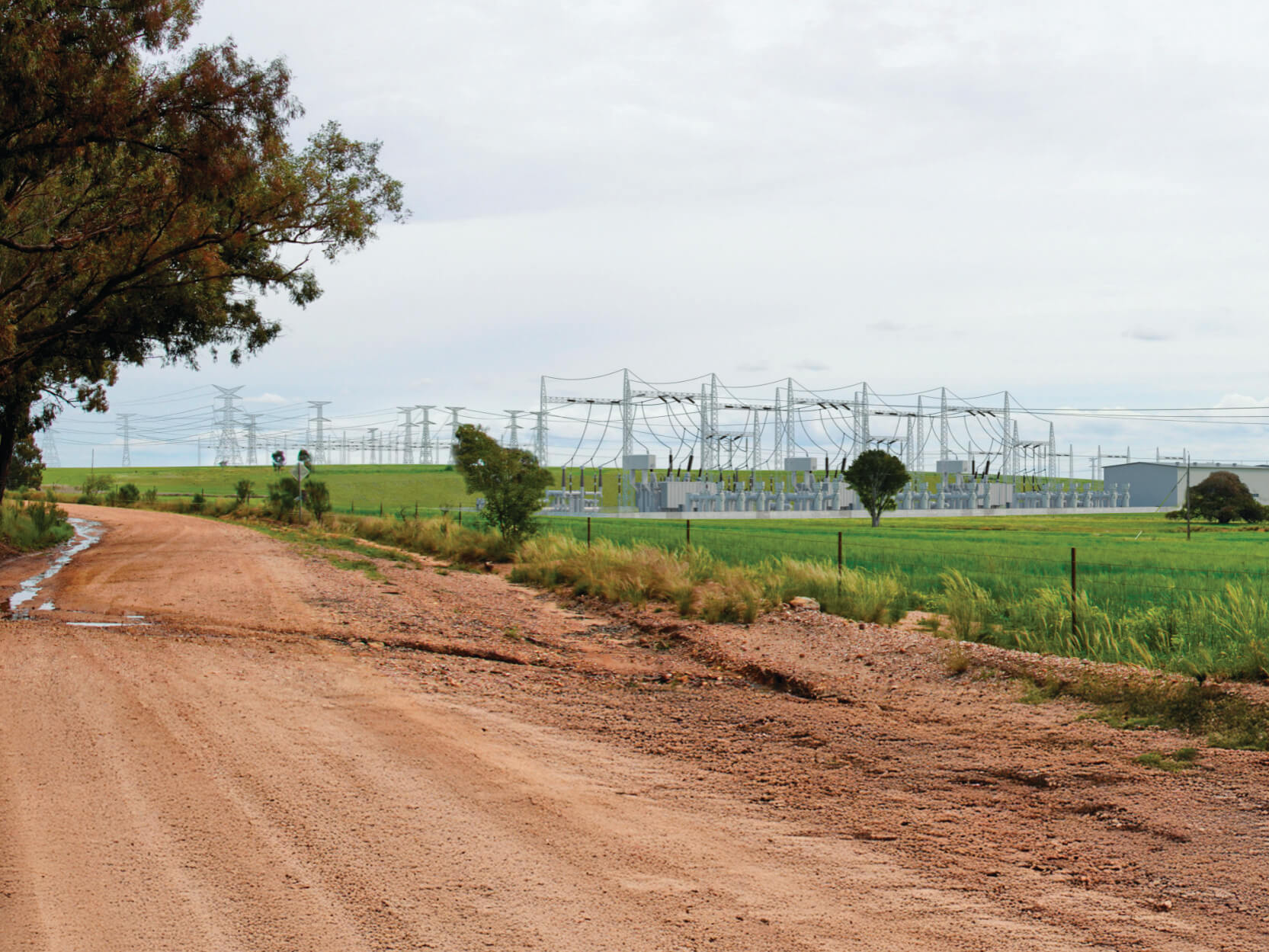
Energy hubs are a modern type of substation that can help minimise the need for new power lines. They act as connection points between renewable energy projects and the rest of the transmission or distribution network. They collect electricity from solar, wind and storage projects and transfer it to the grid so it can be distributed to the homes, businesses and essential services that need it.
Energy hub sites typically include:
- electrical equipment including switchgear and transformers
- small buildings for protection and control equipment
- amenities for maintenance staff
- fencing for safety reasons.
The size of each energy hub will depend on several factors, including the location of surrounding generators, electrical equipment required for the energy hub and the configuration of each site. Each site will need enough land for the electricity infrastructure and site facilities as well as a buffer around the perimeter of the site for safety purposes.
Energy hubs are close to planned major energy generation projects. Positioning energy hubs close to these developments helps connect multiple energy generators to the main transmission network using shorter connection lines. This helps make the system more efficient.
Image: Artist's impression of an energy hub
Upgrades to existing networks
We’re investigating opportunities to upgrade the existing grid to host more renewable energy.
One example is the Hunter-Central Coast REZ Network Infrastructure Project, which involves upgrades to the existing distribution network. We’re working with Ausgrid as the preferred network operator to deliver it.
Learn more about the Hunter-Central Coast REZ.
Operation and maintenance
The network operator is the company that builds, operates and maintains the electricity infrastructure. For Electricity Infrastructure Roadmap projects like renewable energy zones or the Hunter Transmission Project, EnergyCo – as part of the NSW Government – appoints the network operator.
For example, in the Central-West Orana Renewable Energy Zone, ACEREZ is the appointed network operator.
The network operator is responsible for:
- regularly inspecting transmission lines and infrastructure
- conducting scheduled maintenance to ensure safety and reliability
- responding to faults or emergency situations
- managing vegetation near transmission lines
- ensuring the infrastructure continues to operate efficiently.
If you have transmission infrastructure on your property, the network operator will need to access your property periodically for inspections and maintenance. They’ll contact you in advance to arrange this access, except in emergency situations.
Learn more about specific projects

Related information
Learn more about our work and role in upgrading NSW's grid.
Learn more about what's involved in the state's 5 REZs.
Learn more about renewable energy zones and other projects we're delivering.
Learn about the wind, solar, battery and other projects that will connect into NSW's grid.
Get in touch with EnergyCo
1800 118 894 (9am to 5pm, Monday to Friday)
Sign up for our Powering NSW e-newsletter.